
Quick answer
- Many people on GLP-1 medications (such as semaglutide or tirzepatide) eat much less, so protein first and small, frequent mini meals are the most common dietitian tips.
- Protein targets vary from person to person; set yours with your prescriber or a registered dietitian.
- Add fiber slowly and drink water; greasy, very large or very sweet meals are often the hardest to tolerate.
This is a cooking guide, not medical advice. GLP-1 medications are prescribed and monitored by a clinician. Follow your care team’s guidance on nutrition, protein targets and any side effects.
GLP-1 medications changed how many Americans eat, and “what to eat on GLP-1” has become a common search (Google Trends). The most common challenge we hear is simple: I’m barely hungry, so what should I actually eat? Below are the food patterns that public health sources commonly describe (listed under Sources at the end), turned into easy, real-kitchen ideas.
The protein-first plate
When you can only eat a few bites, make them count:
- Start with protein (eggs, Greek yogurt, cottage cheese, fish, chicken, tofu, beans).
- Add a gentle fiber source (berries, oats, cooked vegetables, lentils).
- Keep fats moderate and portions small. Rich, greasy meals are a common trigger for feeling unwell.
- Sip fluids between meals, not just with them.
Protein-dense mini meals (about 15-30 g protein)
| Mini meal | Protein | Fiber |
|---|---|---|
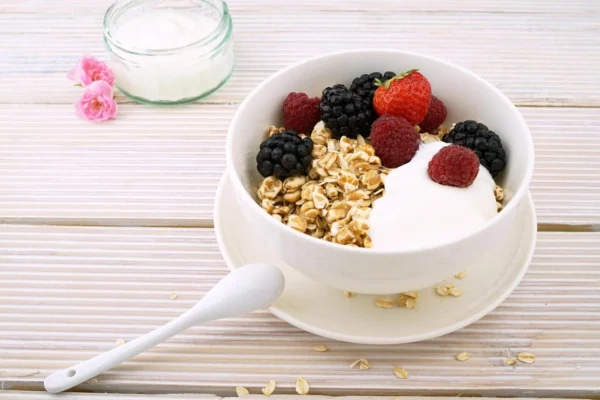
| 3/4 cup Greek yogurt + 1 tbsp chia + 1/2 cup berries | 20 g | 8 g |
| 1/2 cup cottage cheese + peaches + pumpkin seeds | 16 g | 2 g |
| 2 eggs scrambled with spinach | 14 g | 2 g |
| 3 oz tuna or salmon on whole grain crackers | 22 g | 3 g |
| 1/2 cup edamame + string cheese | 16 g | 4 g |
| Protein hot chocolate | 33 g | 2 g |
| Cottage cheese smoothie (half portion) | 11 g | 5 g |
| 1 cup lentil or bean soup | 12 g | 10 g |
A sample small-appetite day
| Time | Eat | Protein |
|---|---|---|
| 8 a.m. | Chia Greek yogurt bowl (half) | 14 g |
| 11 a.m. | 2 hard-boiled eggs + an orange | 13 g |
| 1 p.m. | 1/2 Greek chicken bowl | 27 g |
| 4 p.m. | 1/2 cup cottage cheese + berries | 12 g |
| 7 p.m. | 3 oz salmon + 1/2 cup roasted vegetables | 21 g |
| Total | about 87 g |
Build your own day, and switch on small-appetite mode, in our Fiber Calculator & Protein + Fiber Day Planner. It ranks foods by how much protein and fiber they deliver per bite. For a personal protein range, see the Protein Calculator and confirm it with your care team.
Foods that often sit well
- Soft, mild proteins: eggs, Greek yogurt, cottage cheese, flaky fish, tofu
- Cooked vegetables instead of large raw salads
- Oatmeal, broth-based soups like our cabbage white bean soup
- Smoothies when solid food feels like too much
Foods many people find harder
- Fried and greasy foods
- Very large portions, even of healthy food
- Very sugary drinks and desserts
- Carbonated drinks and alcohol (ask your clinician about alcohol)
Fiber: helpful, but go slow
Constipation is a common complaint, and fiber plus fluids can help, but increase it gradually (about 5 g a week). Our fibermaxxing starter plan shows how.
When to call your clinician
If you can’t keep food or fluids down, have severe stomach pain, or are eating so little that you feel weak or dizzy, contact your prescriber.
Sources
- Prescription Medications to Treat Overweight & Obesity – NIDDK (NIH)
- Medications containing semaglutide – U.S. Food and Drug Administration
- Protein – The Nutrition Source, Harvard T.H. Chan School of Public Health
- Dietary Guidelines for Americans, 2020-2025 – fiber target of 14 g per 1,000 calories
- USDA FoodData Central – nutrition values used in our tables and recipe cards